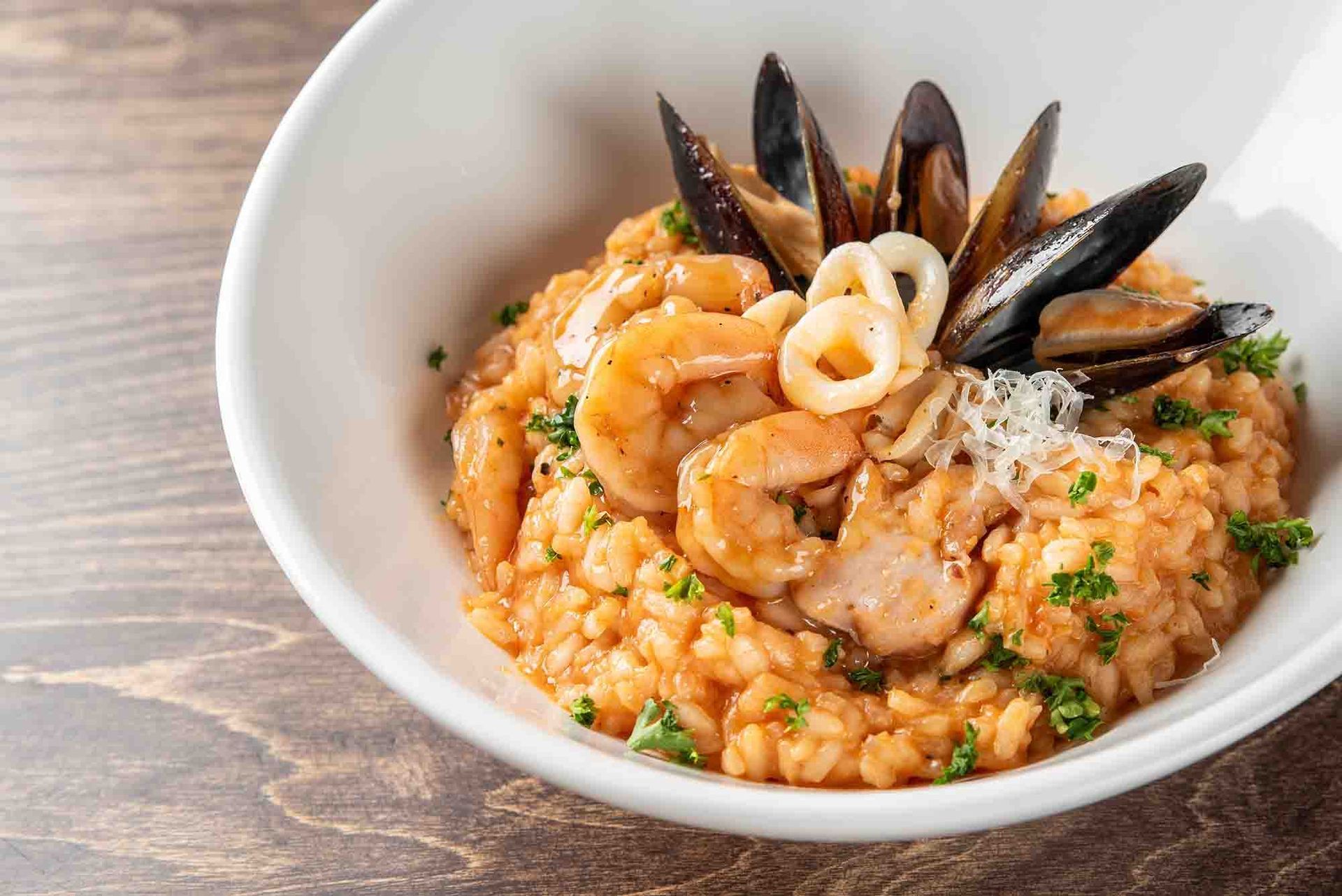
What Is the Secret to a Good Risotto?
Most nights, choosing dinner comes down to picking whatever sounds good on the menu; everyone’s stomachs are grumbling and they just want to eat. With a tasting menu, however, those decisions are left to the chef, and diners get to settle in for a series of smaller courses. Each dish brings something different to the table, giving everyone a feel for the kitchen’s style as the meal unfolds.
If trying new foods or want dinner to feel a little more special sounds especially enticing, a tasting menu could be a great fit. Knowing how it works can help diner find an experience they enjoy and feel more comfortable when pulling up a chair to eat.
What Is a Tasting Menu?
A tasting menu is a multi-course meal curated by the chef, presented as a series of small, sequential dishes designed to tell a story. Rather than ordering individual dishes from a long list, diners hand over the reins and experience a progression of courses that showcases the kitchen's creativity and culinary vision.
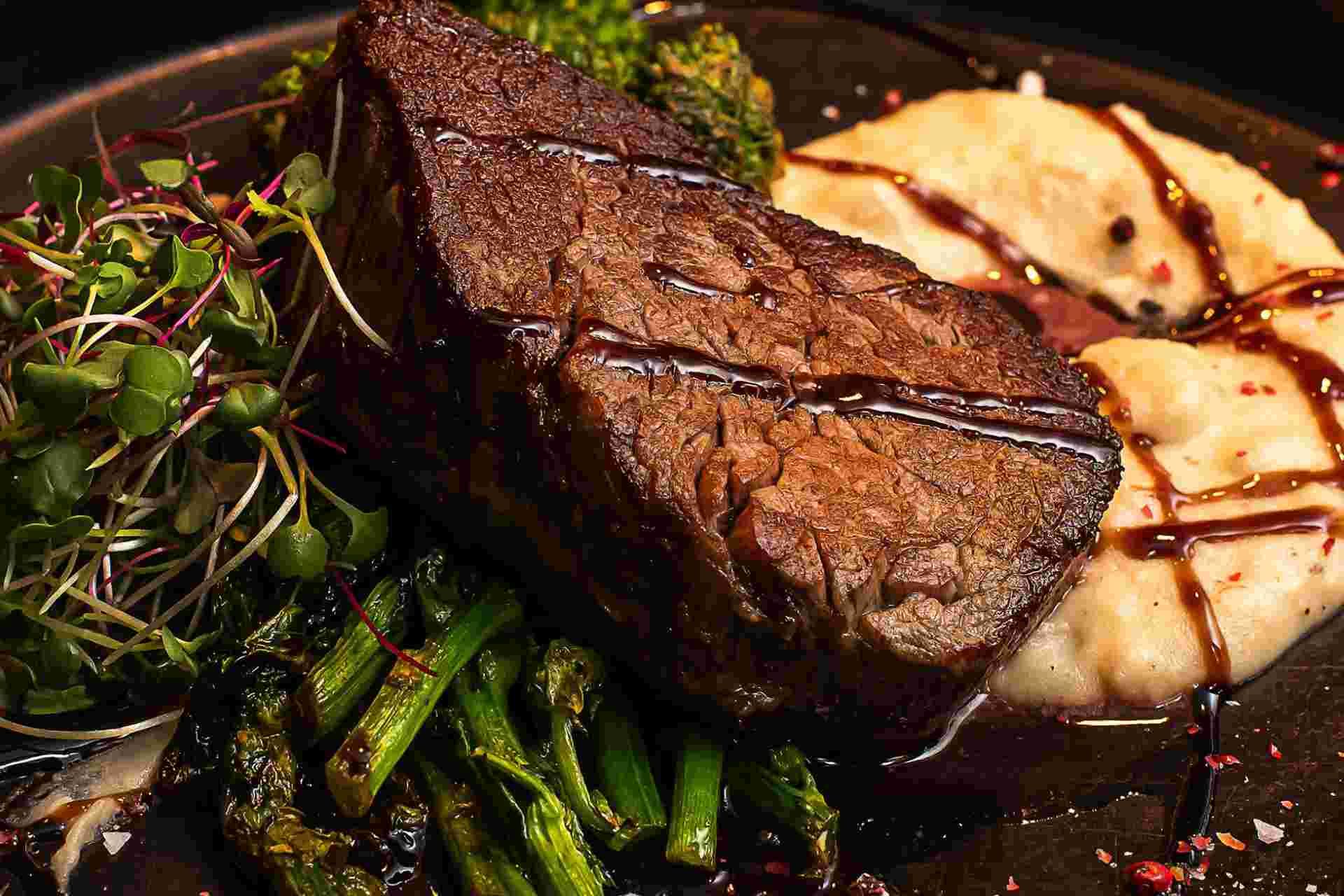
It’s a chance for the staff to show off different flavors and cooking techniques. Such as, one course might feature tender, gently cooked fish, while the next offers the rich flavor of slow-braised meat.
The concept originated from Japan's kaiseki meals, evolved through European haute cuisine traditions, and gained popularity in the early 2000s as chefs around the world embraced it as the ultimate way to share their craft.
The French term for this format is menu de dégustation, which roughly translates to "tasting with appreciation." Modern American restaurants, including Core-450, interpret the tradition through their own lens - reflecting local ingredients, regional character, and global technique all on one table.
Each dish brings something different to the table, but they’re all meant to work together. Lighter plates give way to richer ones, with portions sized to keep the meal balanced from the first bite to the last.
How a Tasting Menu Works
The number of courses depends on the restaurant; while some keep it to four or five, others serve ten or more to eager diners. Longer menus sometimes include tiny bites between larger dishes, so the course count doesn’t tell the whole story about how much food one can expect.
A meal often begins with a welcome drink - perhaps a handcrafted cocktail or a glass of sparkling wine, followed by an amuse bouche, a tiny one-bite appetizer meant to stimulate the palate. From there, early savory courses tend to be lighter and brighter; cool seafood starters, seasonal vegetables, or a crisp salad built around local produce.
The tasting often starts with lighter flavors and gradually moves into richer dishes. A delicate seafood course might lead into a heartier meat dish, with dessert wrapping things up. Whereas vegetarian menus can take the same approach, using different cooking methods to build richer flavors as the meal goes on.
Courses are usually smaller than traditional meal portions, intentionally sized so you can comfortably eat the full sequence without feeling overwhelmed. The kitchen plans roughly ten to fifteen minutes between courses, and service includes detailed dish presentations and explanations from your server, creating anticipation at every turn.
What’s in season often helps shape the menu such as the Spring season might bring tender vegetables, while colder months call for roasted root vegetables. As ingredients come and go, chefs may switch up both the dishes and the order they’re served.
The Role of the Amuse Bouche
Tasting menus often feature an amuse bouche as the first course, and for good reason. The phrase translates literally to "amuse the mouth," and that is exactly what this miniature bite is meant to do. It is not a full course, but rather it’s a complimentary, one- or two-bite welcome that sets the tone for everything that follows.
Chefs use the amuse bouche to preview their style, highlight a seasonal ingredient, or play with a surprising technique. Tasting menus often include surprise elements to enhance the experience, and this opening bite is usually the first place that sense of discovery shows up.
It’s like a friendly handshake from the chef, awakening the palate and signals that you are on a curated culinary journey, and builds excitement for the courses ahead.
What to Expect During the Meal
A tasting menu moves at a relaxed pace, with staff timing each course so guests can enjoy one dish thoroughly before the next one arrives. Dinner might last around two hours or stretch into a longer evening, depending on the restaurant, number of courses and overall mood of the guests. Tasters tend to check the timing beforehand to make plan anything afterward easier.
How the food looks is part of the fun; with smaller portions, the kitchen can give each detail a little extra attention, showing off a standout ingredient or bringing the different parts of a dish together through a story.
Servers may also share a few details about each course, explaining how it was made or suggesting the best way to enjoy it. There’s no need for any food expertise however; these introductions simply help guests get more out of their experience.
Some restaurants ask everyone at the table to choose the tasting menu. This can keep the courses moving together and makes timing easier for the kitchen. So, groups with different dining preferences may want to check that policy before booking.
It’s all about remaining open and coming in with a heathy dose of curiosity to really make the meal. A familiar ingredient might show up in a surprising way, and something a guest would usually skip could become the evening’s favorite. Mentioning strong dislikes ahead of time gives the restaurant a chance to explain what adjustments are possible.
Beverage Pairing Options
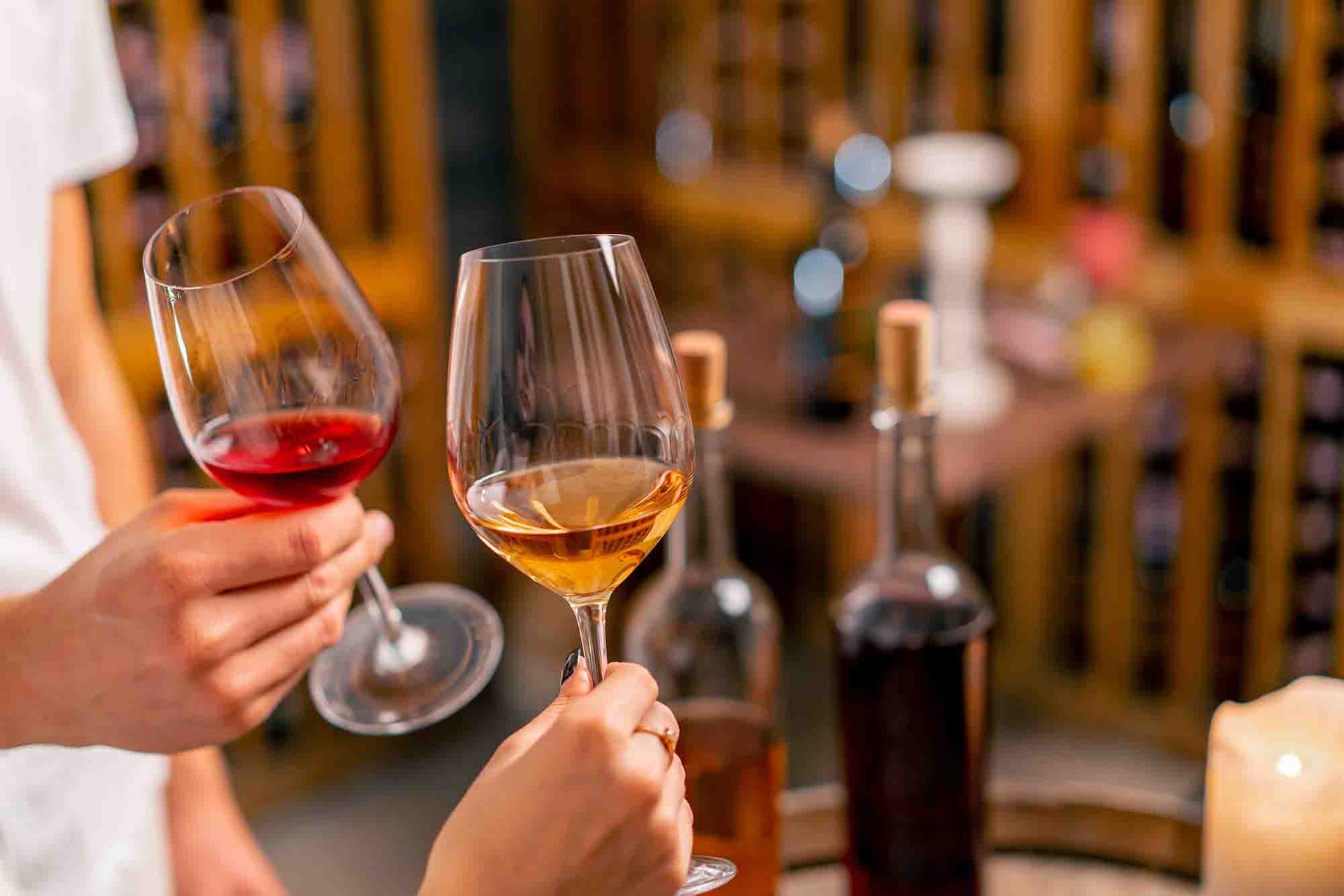
A pairing is a curated selection of beverages - wine, cocktails, or spirit-free drinks - designed to match each course in flavor, weight, and intensity.
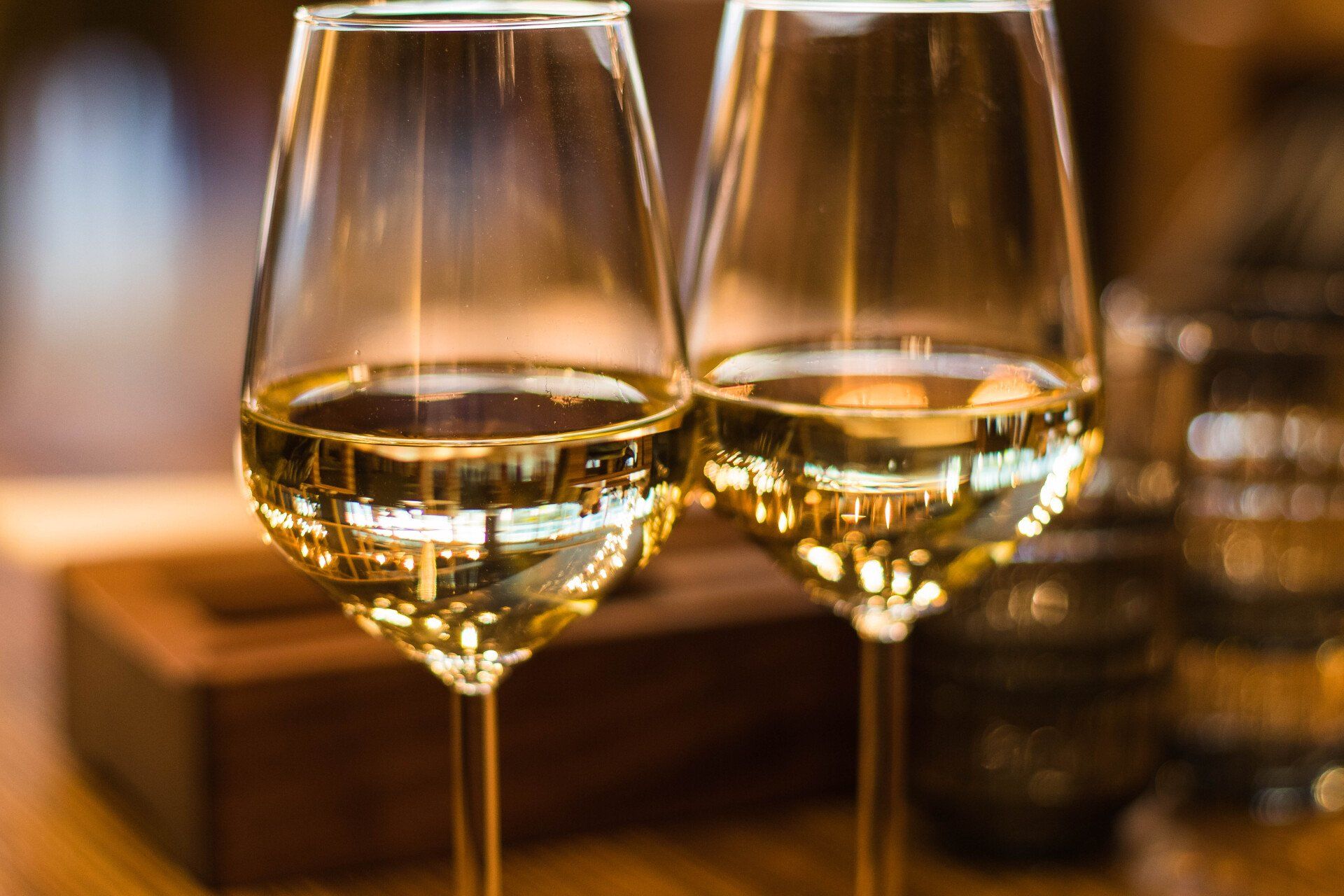
Tasting menus often include drink pairings to enhance flavors: a crisp white wine alongside a seafood course, a bold red to complement a rich meat dish, or a herbal mocktail that mirrors the aromatics of a vegetable plate. Pours are usually smaller than a standard glass, so guests can try different wines as the meal unfolds.
Non-alcoholic options are increasingly important, and the team can create spirit-free pairings for any person who prefers not to drink. Options might include teas or house-made drinks, with just as much thought put into the flavors as the food.
Pairings usually cost extra, though some dining packages include them. Checking the details ahead of time helps guests know what’s included and how many pours to expect.
Where available, ordering drinks separately works just as well. A glass of wine or a bottle shared around the table may be a better fit for the evening; there’s no need to choose a full pairing to enjoy the meal.
Tasting Menus vs. À La Carte and Prix Fixe Menus
When you order à la carte, you choose your own starters, mains, and desserts from a full menu. You control the structure, portion size, and overall price of your meal. It’s flexible and suits casual nights when you know exactly what you want to eat.
A prix fixe menu includes a set number of courses for one fixed price. That might mean an appetizer followed by a main course and dessert, with a few options to choose from along the way.
While a tasting menu works differently in almost every way. It typically has a fixed price per person, a predetermined sequence of courses, and synchronized service for the whole table. Diners don’t get to choose dishes; the chef has already designed the selection and the order in which it arrives. At most restaurants, the entire table participates together, which creates a shared rhythm that an à la carte meal rarely achieves.
For diners happy to let the chef take the lead and spend an evening trying new dishes, a tasting menu can be a great fit. À la carte offers more freedom to choose though, while a shorter prix fixe menu gives dinner a set structure without as many courses. It all just depends on the diner’s own preference and what they are looking for on any given night.
Designing a Tasting Menu
Building a perfect tasting menu is both an art and an operational challenge. Chefs use seasonal ingredients to create unique tasting menus, sourcing unique produce, regional beef, and local seafood that change with the calendar. Seasonal specialties drive the menu forward, what appears in July will look and taste completely different from a winter tasting, and that constant change keeps the experience fresh for any repeat visitors.
When creating a tasting menu with Core 450, global inspiration meets Southern sensibility, reflecting our style of elevated rustic-contemporary American cuisine.
If you have ever been curious about this style of dining, the best way to understand it is to experience it yourself.
Explore Core-450's current tasting offerings, check availability for your next special night, or reach out to the team about hosting a private event or chef's tasting experience. An unforgettable evening, and a great story, is waiting at the table.