What Makes a Great Wine List for a Restaurant?
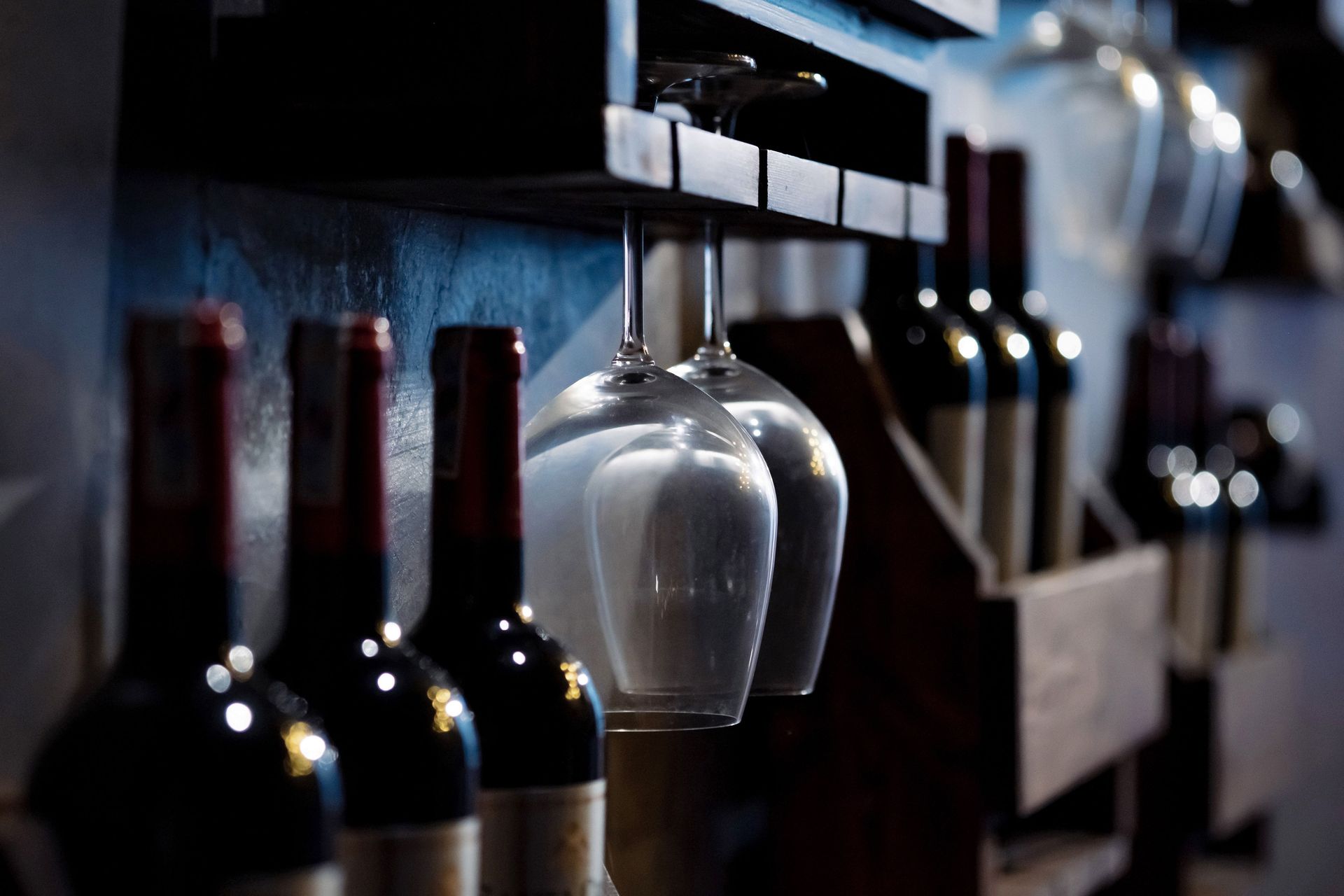
A great wine list does more than show guests what is behind the bar. It sets the mood for the meal, encourages people to try something different, and can make dinner feel a little more special. When the selection is thoughtful and the list is easy to follow, choosing wine becomes part of the fun instead of another decision guests have to overthink.
Any wine program should feel like a natural fit for a restaurant’s atmosphere through every season. It can be polished without being stuffy, interesting without being intimidating, and flexible enough for everything from a casual dinner to a major celebration. Whether guests want one glass, a bottle for the table, or wines for a private event, the list should make the choice feel easy and inviting.
Start With a Clear Point of View
The best restaurant wine lists have a personality. Instead of trying to include every grape, region, and trendy label, they offer a focused selection that says something about the restaurant. A list might spotlight small producers, food-friendly European wines, emerging American regions, or seasonal bottles that match the kitchen’s style.
Hospitality should be behind every purchasing decision. A rare or highly rated bottle does not automatically belong on the list if it does not fit the restaurant’s guests, menu, or pricing. The strongest selections are wines people will genuinely enjoy with their meals, and that the staff can describe without launching into a chemistry lesson.
The collection also needs the right balance between familiar favorites and unexpected finds.
Well-known grape varieties such as cabernet sauvignon, chardonnay, and pinot noir give guests an easy place to start. Lesser-known varietals and regions keep things interesting and give the team something new to talk about. In most cases, a smaller, confident list is much more helpful than a massive catalog with no clear identity.
Choose Wines That Complement the Menu
Wine and food should bring out the best in each other, which means the kitchen and beverage teams need to work together. That does not mean finding one strict pairing for every dish. Instead, the goal is to build a flexible selection with enough acidity, fruit, texture, and structure to work across the table.
The food menu changes with the seasons, so the wine list should change with it. Crisp whites, rosés, and lighter reds are natural choices for fresh spring ingredients and warm-weather meals. When cooler weather arrives, richer whites, earthy reds, and fuller-bodied bottles can stand up to roasted meats, savory sauces, and heartier dishes.
Versatile wines are especially helpful when guests share appetizers or order completely different entrées. A bright sparkling wine can carry the table from the first course through fried or creamy dishes. A balanced pinot noir might work with poultry, pork, mushrooms, and certain fish preparations. These flexible bottles make recommendations easier and help guests get more enjoyment from one selection.
Quality and value should matter at every price point. Wines from local vineyards, family-owned wineries, and smaller producers can add personality and give guests something new to discover. The important thing is to choose them because they taste great and fit the restaurant, not just because the label happens to be trendy.
Make the Wine List Easy to Navigate
Even the best collection can miss the mark if guests cannot figure out how to use the list. The organization should reflect the way people actually choose wine. Some restaurants arrange bottles by region or grape, while others use more approachable categories such as “crisp and refreshing,” “rich and textured,” or “bold and savory.” A restaurant’s sommelier can also organize certain wines by occasion, with categories such as fireside reds, patio pours, or bottles made for sharing.
A short introduction can explain each section without making the list feel like assigned reading. Every entry should include the producer, wine name or grape, region, vintage, bottle size, and price. That gives experienced wine drinkers the details they want while making sure the service team has accurate information to reference.
Descriptions should sound like something a real person would say. Phrases such as “bright citrus,” “ripe cherry,” “dry and mineral,” or “full-bodied with soft tannins” are more useful to most guests than technical tasting terms. A few staff picks and pairing suggestions can also make the list friendlier, as long as those callouts are used selectively.
Develop a Strong Wine-by-the-Glass Program
Wine by the glass gives guests an easy, low-pressure way to explore. A focused selection of four to 10 rotating options is usually enough to provide variety without creating a lot of waste. At a minimum, the list should offer sparkling, rosé, white, and red choices, with additional styles based on the season and what guests tend to order.
Every pour should have a reason for being there. One wine might be a familiar crowd-pleaser, another might pair well with several dishes, and a third could introduce guests to a grape or region they have never tried. That mix keeps the program approachable while still giving regulars something interesting to discover.
Pricing also deserves careful attention. Bottle cost, pour size, spoilage, and target margins all affect what a glass should cost. Consistent pours help protect profits and make sure every guest gets the same experience. Regular sales reviews can also show which wines deserve a permanent spot, which need a little more staff support, and which are ready to rotate out.
Design an On-Brand Wine List
The wine list should look as thoughtful as the selection itself, taking into account the visual style that should carry across both printed and digital versions. Readable fonts, clear headings, and plenty of spacing will help guests scan the list comfortably, even in softer dining-room lighting.
Seasonal imagery or subtle design elements can support the restaurant’s rustic-contemporary character. Still, the design should never get in the way of the information. A clean layout feels polished and lets the wines stay front and center. Printed lists should also be comfortable to hold and sturdy enough to survive regular service.
Manage Inventory and Seasonal Rotations
An accurate wine list builds trust. If guests keep requesting bottles that are unavailable or receive a different vintage from the one listed, they are going to get frustrated. Printed and digital lists should be updated whenever availability, pricing, bottle size, or vintage changes.
Seasonal rotations keep the program feeling fresh and give returning guests a reason to explore. Local bottles, limited releases, and small allocations can create timely features without making the permanent list unnecessarily long. Sold-out wines should be removed quickly, and the service team should have a suitable alternative ready to recommend.
Support Events and Private Dining
Private events have different needs than everyday dinner service. Hosts may want to choose wines ahead of time, know exactly what packages will cost, and feel confident that enough bottles will be available for the group. Curated pairings can make planning easier while connecting the wine to each course.
The best experiences offer packages at several price points, along with options such as sparkling-wine to welcome guests, tableside bottle service, or guided tastings. The selections should reflect the event menu, guest count, schedule, and overall occasion. Flexible bottle and package choices can work for everything from business dinners to weddings and anniversary celebrations.
Address Sustainability and Legal Requirements
More guests want to know how their wine was grown and produced. Organic, biodynamic, and sustainably made wines should be labeled clearly and accurately, without vague claims or buzzwords. Staff should also understand what those terms mean so they can answer questions honestly.
The wine list and service program must follow all applicable rules for alcohol service, labeling, pricing, and disclosures. Legal requirements and training matters just as much, most guests like to know their wine has been responsibly sourced.
Quick Wine List Checklist
Before service or any major update, the wine list should:
- Confirm that every wine on the list is available.
- Double-check vintages, prices, regions, and bottle sizes.
- Revisit pairings after seasonal menu changes.
- Check by-the-glass inventory and the quality of open bottles.
- Make sure printed and digital lists match.
- Give staff tasting notes for featured selections.
Raise a Glass to Better Hospitality
A great wine list is carefully curated, not simply collected. Every bottle should fit the restaurant’s personality, work with the cuisine, and give guests a good reason to be intrigued by the description. Clear design, accurate inventory, smart pricing, and friendly recommendations turn a collection of bottles into a complete wine program.
At Core 450, the final result should feel refined but relaxed, just like our restaurant itself. With seasonal rotations, down-to-earth descriptions, and options for both casual dinners and major celebrations, the wine list can become one more reason guests look forward to coming back.