What Is a Wine Pairing? A Beginner’s Guide to Pairing Food and Wine

ave you ever wondered: What is a wine pairing?
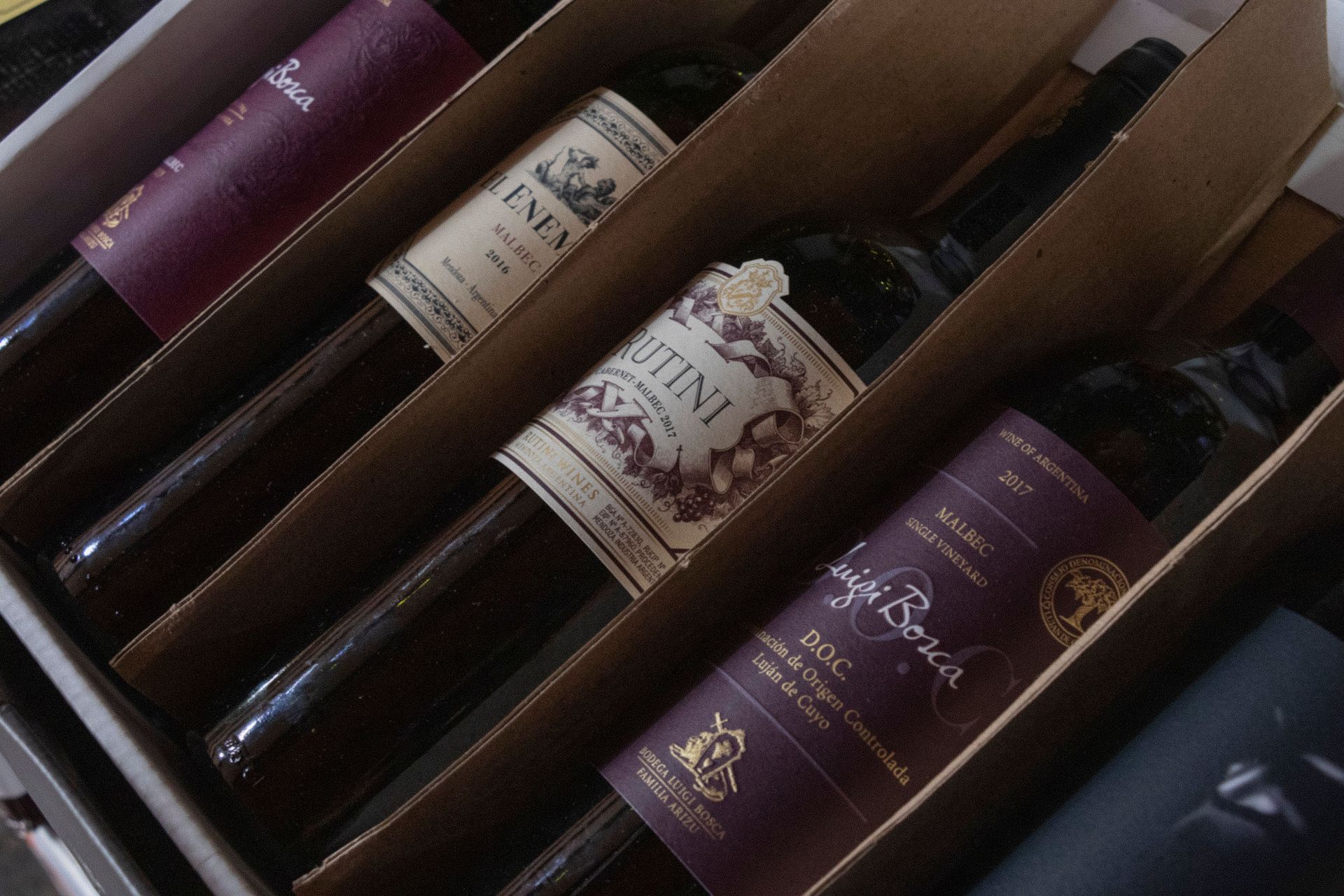
It’s a phrase thrown around a lot but rarely explained. Wine and food pairing is simply the practice of choosing a wine that complements the flavors, textures, and aromas of the food you’re eating. When done well, both the wine and the dish taste even better together than they would on their own.
Despite what you may have heard, wine pairing isn’t about memorizing complicated rules or becoming a wine expert. It’s about understanding a few basic principles and discovering combinations that suit your personal taste.
While some pairings have become classics over the years, there is no single “right” answer to choosing the perfect glass of wine for your meal.
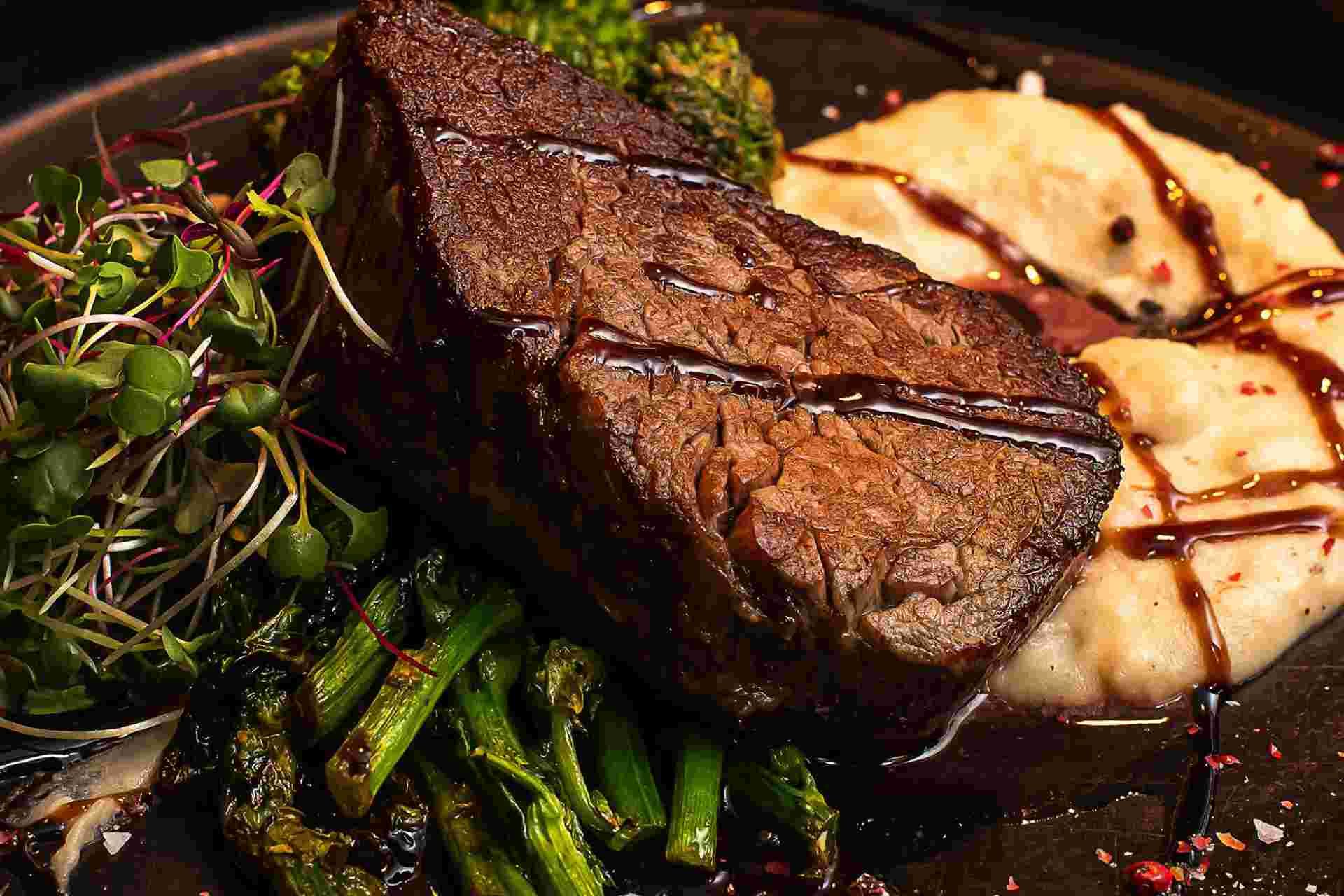
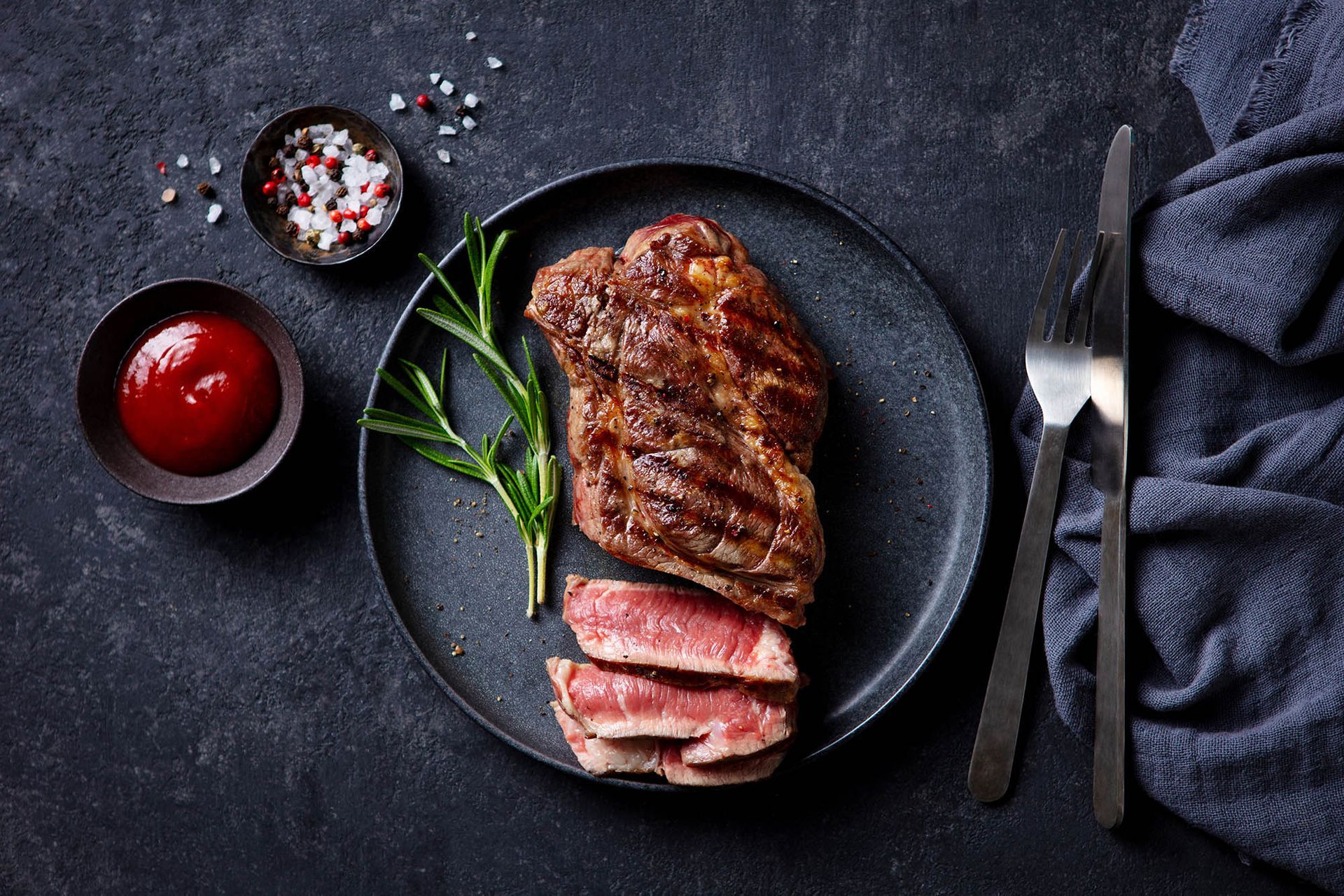
Restaurants often think carefully about how food and wine work together because the right combination can elevate the entire dining experience. A bright, crisp wine can bring fresh flavors to a seafood dish, while a rich red wine can highlight the savory qualities of a perfectly prepared steak.
At Core 450, we believe great dining is about the complete experience. Thoughtfully prepared cuisine, exceptional service, and carefully selected wines all work to create memorable meals, whether you’re celebrating a special occasion or simply enjoying dinner with friends.
Why Wine Paring Matters
A great meal engages all of your senses. Wine pairing helps bring those flavors together in a way that feels special.
Wine contains characteristics such as acidity, sweetness, fruit flavors, tannins, and body. Food has many of those same qualities. When those elements complement one another, each bite and sip becomes more satisfying.
For example, a wine with bright acidity can refresh your palate after a rich, buttery dish. A bold red wine with noticeable tannins often balances the richness of a well-marbled steak. Even a lightly sparkling wine can cleanse the palate between bites of fried appetizers.
The goal is never for the wine to overpower the food or for the food to hide the wine’s flavors. Instead, each should enhance the other.
Wine pairing also encourages people to slow down and appreciate the meal as a whole. Rather than thinking about the entrée and the beverage separately, they become part of the same experience. Even a simple dinner can feel more memorable when the flavors work together naturally.
The Basic Principals of Wine Pairing
Learning how to pair wine with food doesn’t have to be intimidating. A few simple guidelines can help you make confident choices at home or when dining out.
Match the weight of the wine with the weight of the dish.
Light-bodied wines, often white wines, generally pair well with lighter foods like seafood, salads, or grilled chicken. Fuller-bodied wines, generally red wines, are often better suited for heartier dishes, including steak, braised meats, and rich pasta.
The sauce is often more important than the protein when choosing a wine.
Chicken served with a light lemon sauce may call for a very different wine than chicken prepared with a creamy mushroom sauce. The same steak can pair differently depending on whether it’s served with peppercorn sauce, herb butter, or a red wine reduction.
Dry reds go well with fatty meats.
For red wines, tannins deserve special attention. Tannins create the drying sensation you notice in many bold reds. They pair especially well with fattier cuts of meat because the richness of the food softens those tannins while allowing the wine’s fruit flavors to shine. One caveat: avoid drinking high-tannin wines with umami foods. Umami is the savory flavor found in things like soy sauce, miso, or mushrooms.
Cream sauces often work well with high-acid wines.
Acidity is another important factor. Wines with higher acidity help cut through creamy sauces, buttery seafood, and rich cheeses. They keep the meal feeling fresh rather than heavy. Examples of high-acid wines include Sauvignon Blanc and Pinot Grigio.
Sweet wines go with sweet desserts.
If you’re enjoying dessert, the wine should usually be at least as sweet as the dessert itself. Otherwise, the wine may taste surprisingly bitter or flat.
Most importantly, remember that these are guidelines, not strict rules. Personal preference always matters. If you enjoy a particular combination, then it’s a successful pairing for you.
Common Wine Pairings to Know
Many classic food and wine pairings have become favorites because they consistently complement one another.
White Wine With Lighter Dishes Like Seafood, Chicken, or Salads
White wines are often associated with lighter dishes. They frequently pair well with seafood, grilled chicken, fresh salads, goat cheese, and meals featuring citrus flavors or fresh herbs. Crisp, refreshing whites can brighten delicate ingredients without overwhelming them.
Red Wine With Richer Foods Like Steak or Lamb
Red wines are usually chosen for richer foods. Steak and lamb are well-known examples, but red wines can also complement burgers, roasted mushrooms, slow-cooked meats, and aged cheeses. Depending on the style, some lighter reds also pair beautifully with roasted poultry or earthy vegetable dishes.
Sparkling Wines With Almost Anything
Sparkling wines are among the most versatile choices on any wine list. Their lively bubbles and refreshing acidity make them an excellent match for fried foods, brunch favorites, appetizers, and soft cheeses. Sparkling wines often surprise diners because they work well with such a wide variety of flavors.
Regional Wines With Regional Dishes
Regional ingredients and regional wines often go hand in hand. The climate and soil shape both the local food and the wines, creating pairings that have developed naturally over generations.
Sweet Wines With Dessert
Dessert wines deserve a place at the table, too. Fruit-based desserts often pair nicely with sweeter wines that highlight their natural flavors. Chocolate desserts are commonly enjoyed with richer dessert wines.
If you’re just beginning to explore food and wine pairing, start with familiar dishes and experiment from there. Over time, you’ll begin to notice which combinations appeal most to your palate.
Common Wine Pairing Mistakes
One of the biggest misconceptions about wine pairing is that there’s a perfect answer for every meal. In reality, there are only combinations that tend to work well together.
But if you want to know where some people go wrong, here are common mistakes:
Pairing Wines With the Protein and Not the Sauce
Another mistake is overlooking the sauce. Rich cream sauces, spicy glazes, herb-forward preparations, and smoky reductions all influence the overall flavor of a dish. Paying attention to those details often leads to a better pairing than focusing only on the protein.
Drinking Dry Reds With Spicy Foods
Heavy red wines can sometimes make spicy foods seem even hotter. In many cases, wines with brighter fruit flavors or a touch of sweetness create a more balanced experience. Sparkling wines and spicy foods are often a good choice.
Choosing a Dessert Wine That’s Drier Than the Dessert
This can make the wine taste harsh while making the dessert seem even sweeter.
Letting the Rules Dictate Everything
It’s also worth letting go of the old idea that red wine always belongs with meat and white wine always belongs with fish. While those combinations often work, there are plenty of delicious exceptions. Don’t let “rules” keep you from trying something new. Your own preferences are an important part of every successful wine pairing.
While you’ll often hear specific grape names mentioned, it’s helpful to think about wine styles rather than memorizing long lists. A crisp white, a medium-bodied red, a sparkling wine, or a dessert wine can each offer several excellent options depending on the meal.
Enjoying Wine Pairings at a Restaurant
Dining out is one of the easiest ways to learn more about wine pairing because you don’t have to figure everything out on your own. Before you order, consider asking a few questions.
How is the dish prepared?
Is it grilled, roasted, creamy, spicy, or citrus-forward? Those details often matter more than the main ingredient itself.
Do they offer wines by the glass?
Ordering wine by the glass is another great way to explore different styles without committing to a full bottle. It allows you to try new combinations and discover favorites over time.
What does the server recommend?
If you’re unsure what to order, ask your server for a recommendation. They can often suggest wines that complement the flavors and preparation of your meal. Sharing whether you enjoy lighter, fruit-forward wines or richer, bolder styles can also help narrow the options.
Remember to Have a Good Time
The best wine pairing isn’t always the one found in a guide or on a chart. It’s the one that makes your meal more enjoyable.
As you continue exploring different wines and dishes, don’t be afraid to experiment. You may discover combinations that become personal favorites, even if they aren’t considered traditional pairings.
Trust your own palate, stay curious, and enjoy the process of discovering what works for you.
At Core 450, every meal is designed to be an experience. Our thoughtfully prepared dishes and carefully selected wine offerings give guests the opportunity to explore complementary flavors in a welcoming, relaxed setting.
If you’re ready to experience thoughtfully prepared cuisine alongside carefully selected wines, visit Core 450.